Potholes Explained: Causes, Repairs and What ADIs Need to Know

April 17th, 2026
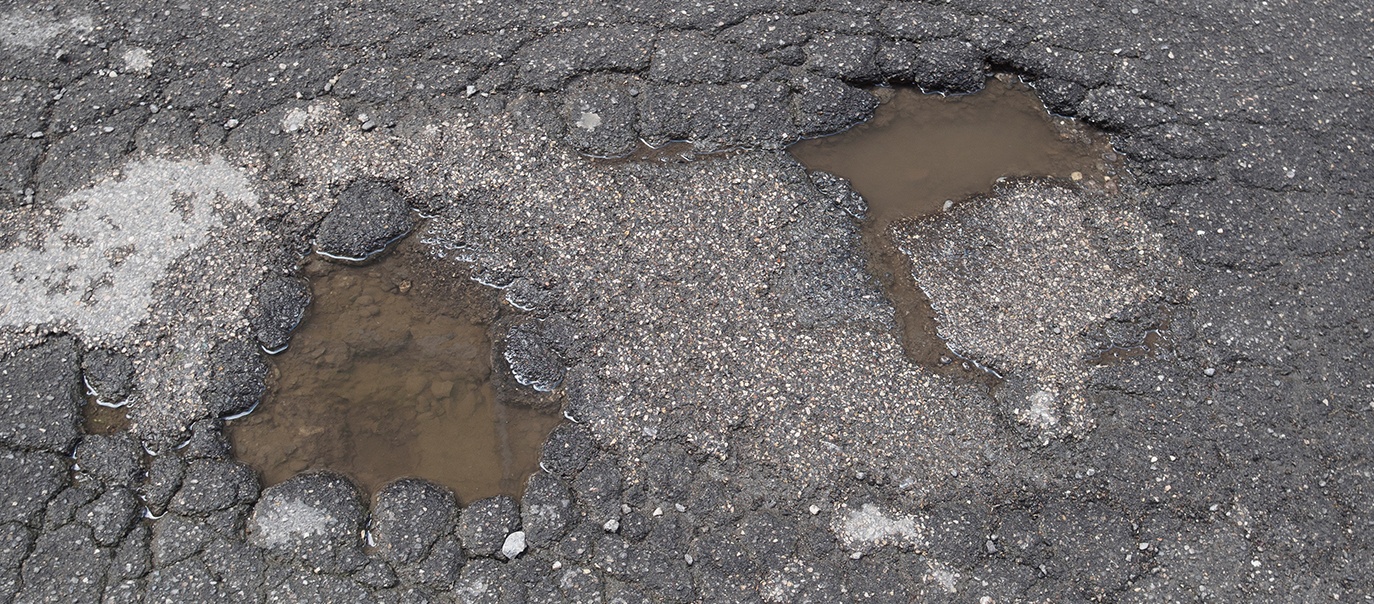
Liam Greaney, ADINJC General Council
Introduction
For driving instructors, potholes don’t just affect safety — they impact vehicle wear, lesson quality and business costs.

What Causes Them?
In the UK, potholes are mainly caused by a combination of water, freeze-thaw cycles, and traffic, along with several key contributing factors which we’ll be covering in this blog.
Potholes typically form through the following cycle:
- Water gets into cracks
- It freezes and expands
- This weakens the asphalt
- The traffic then dislodges the loosened material
Key Causes and Contributing Factors
Water ingress
Water gets into cracks and joints in the road surface, saturating the sub-surface road layers.
Freeze-thaw cycles
- Water in the road freezes
- This expands and widens cracks
- Repeated cycles of this accelerate deterioration
Poor or saturated sub-base/base strength
If the layers beneath the surface are weak or waterlogged, they crumble under traffic.
Traffic loading and fatigue
Heavy vehicles and high traffic volumes apply repeated stress, leading to cracking and eventual collapse.
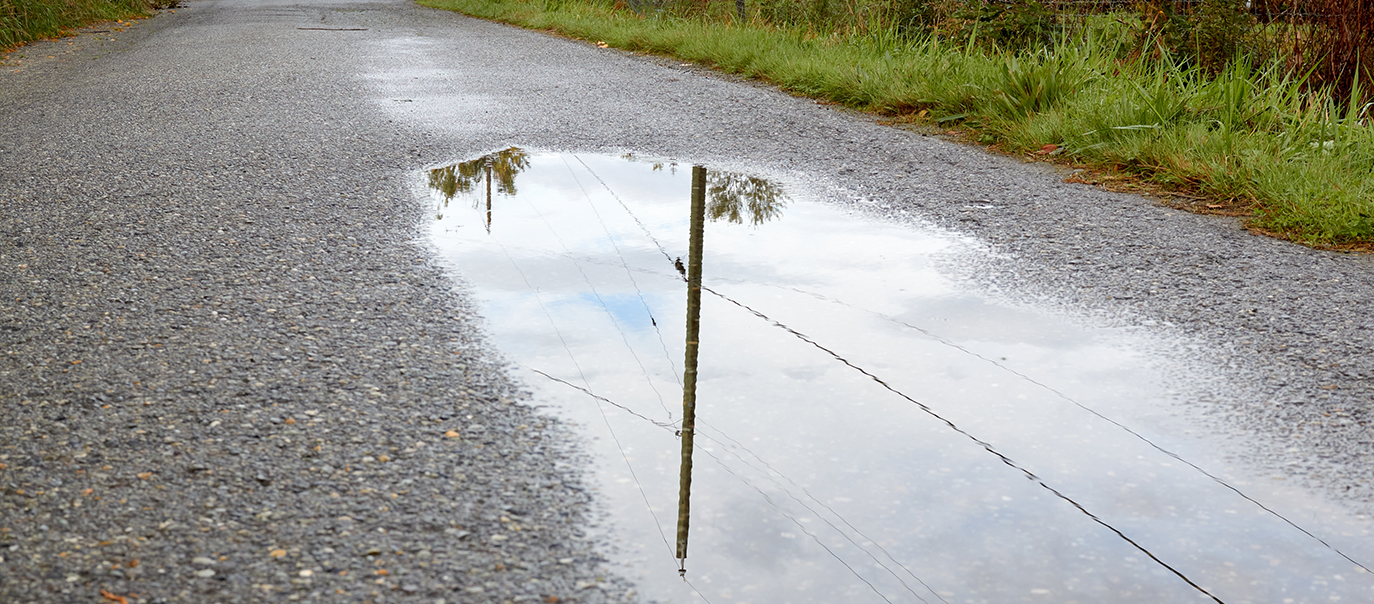
Inadequate drainage and surface water ponding
Poor drainage allows water to sit on or soak into the road, accelerating damage.
Aging road materials or poor initial construction
Road surfaces harden and crack over time. Weaker mixes or insufficient compaction speed up pothole formation.
Failures in repairs or maintenance
- Ineffective patching or delayed resurfacing can create weak spots that develop into potholes
- Utility works and backfill voids, excavation for utilities can leave voids or poor backfill under the road surface
Ground movement and soil conditions
- Clay soils that swell when wet or shrink when dry, or general settlement
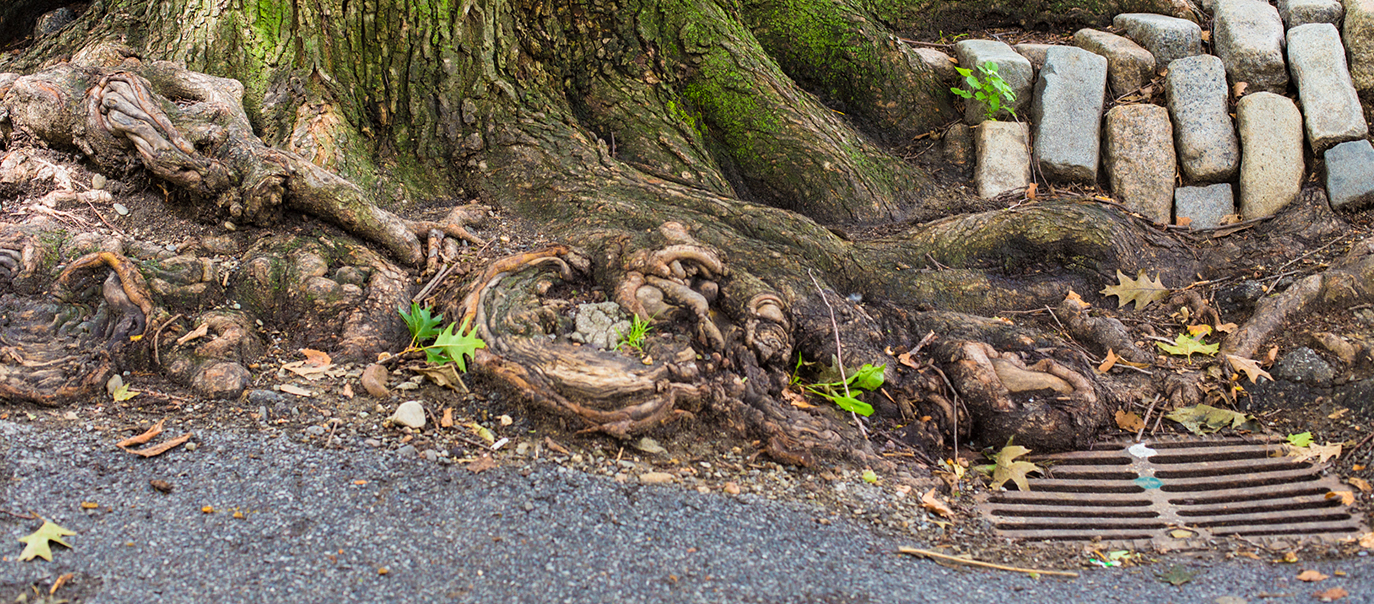
- Tree roots that can lift and crack the surface
De-icing salts and chemical exposure
In some cases, chemical damage and salt ingress can contribute to material breakdown
Who is Responsible
The short answer is it depends on who owns the road. In the UK, potholes are repaired by the body responsible for that road type in your area.

National Highways maintains the strategic road network in England and sets standards for the wider UK.
All other roads (most A, B, C and unclassified roads) are typically maintained by the local highways authority in whose area the road runs – usually your county council or a unitary/metropolitan authority.
How Are Potholes Repaired?
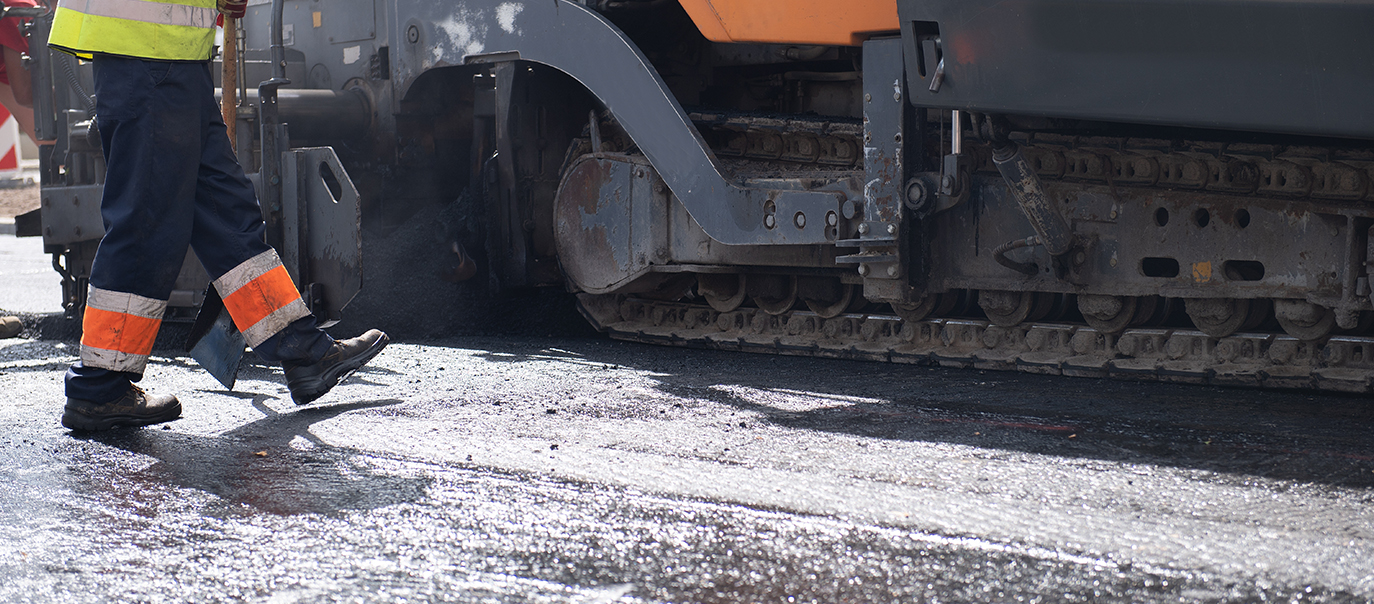
There are key differences between temporary and permanent repairs.
Purpose and duration
Temporary repairs are quick, short-term fixes designed to make the road safe and usable as soon as possible. They typically last from a few weeks to a few months.
Permanent repairs address the underlying damage and restore a durable road surface. These are designed to last several years when properly maintained.
Methods and materials
Temporary repairs:
- Use cold-lay asphalt or quick-setting materials
- Require minimal preparation
- Often involve shallow patching with limited compaction
- May not address deeper structural issues
Permanent repairs:
- Involve deeper work such as full-depth patching or resurfacing
- Use hot-mix asphalt or other durable materials
- Include proper edge bonding and compaction
- May involve repairing or replacing the road base
Depth and preparation
Temporary repairs simply fill the hole to create a smoother surface.
Permanent repairs involve deeper excavation, replacement of damaged layers, and attention to drainage to prevent recurrence.
Ride quality and durability
Temporary repairs may result in a rougher ride and are more likely to fail under traffic and weather conditions.
Permanent repairs are designed to match the surrounding surface and provide long-term durability.
Traffic management and safety
Temporary repairs can be carried out quickly, usually with minimal disruption.
Permanent repairs may require longer traffic management measures but reduce the need for repeated interventions.
Cost and maintenance
Temporary repairs are cheaper upfront and often used as interim solutions.
Permanent repairs involve higher initial costs but reduce long-term maintenance needs.
When each is used
Temporary repairs are typically used when immediate safety is the priority or when potholes are widespread.
Permanent repairs are planned as part of scheduled maintenance when resources allow for a more thorough solution.
Takeaways
Ultimately, it all comes down to one thing: MONEY!
Do we repair cheaply in the short term, knowing that we must spend the money again.
Or do we spend a bit more for long term savings?
An efficient road system is the lifeblood of the economy. Just as we need to maintain our training vehicles, our road infrastructure also requires consistent investment.
Vehicle safety is legally enforced, and drivers are responsible for ensuring their vehicles are roadworthy. At what point is there a legal obligation to maintain the road for the safety of all road users?
ADINJC Comment
“Potholes are the bane of many driving instructors’ working lives. They increase business costs and cause lessons to be cut short and cancelled at short notice.
ADIs in England and Wales can report potholes using the Gov.UK site here, while instructors in Scotland can use the MyGov.Scot site.
Looking to the future, self-healing roads may hold the key to smoother journeys and less stress.”
Liam Greaney
ADINJC General Council


Categories
Recent Posts
Get In Touch
Create a free acccount or login
To continue reading this information, you need a free account that can be created in under a minute. Join today or login
Like to be kept informed?
Our free Lite membership delivers newsflashes and weekly roundups directly to your inbox, so you never miss a beat. Or become a Premium member to enjoy the wide-ranging support & benefits we offer.
Report
There was a problem reporting this post.
Block Member?
Please confirm you want to block this member.
You will no longer be able to:
- See blocked member's posts
- Mention this member in posts
Please allow a few minutes for this process to complete.
Share This: