Dave Allen, ADINJC General Council

Introduction

Building a house and teaching someone to drive, why are they so similar!
This concept was explained to me a number of years ago by the Head of Training at British School of Motoring (BSM), and it has always stuck with me.

The Foundations

Let’s explain the similarities. I should say from the outset that I’m not a house builder, so bear with me.

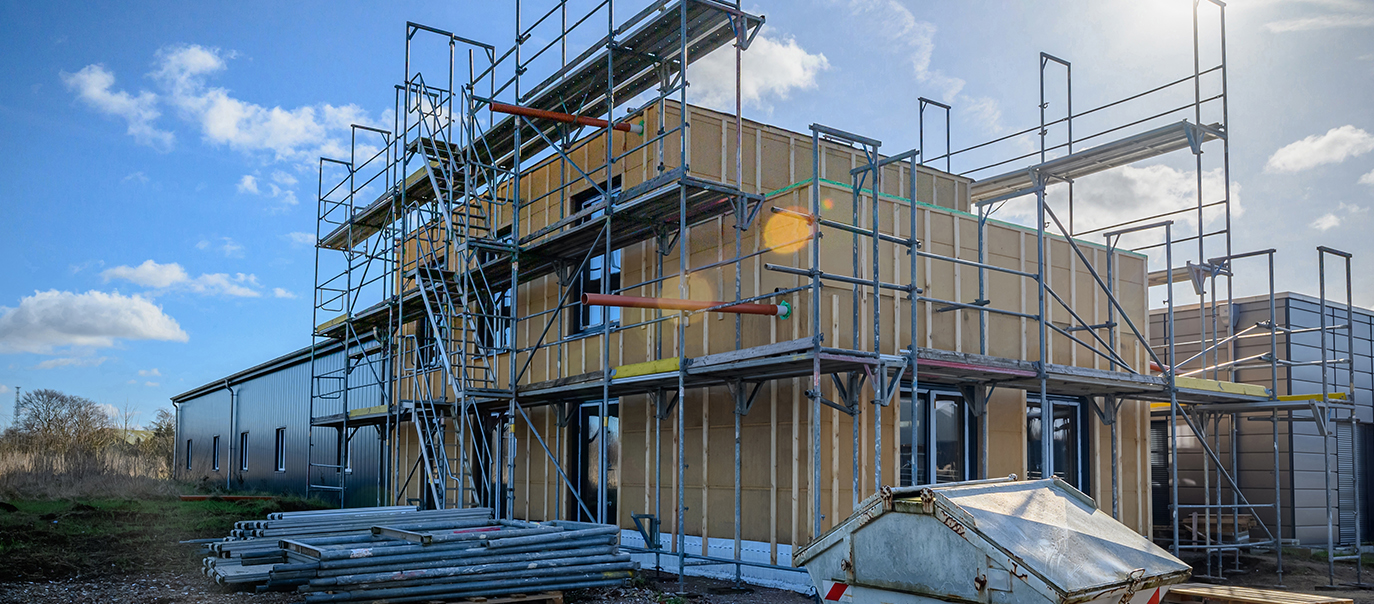
A house needs solid foundations to support the entire structure that will be built on top of it. The walls, ceilings, windows and roof – in fact, everything above ground level – depend on those foundations.

If the foundations are weak, the structure won’t be strong enough. It will wobble, tremble and may even collapse when put under pressure.

Now let’s compare this to learning to drive.

A learner’s foundations are the proficient use of the controls that change the speed and direction of the vehicle. This includes the clutch, gears, accelerator, brake and steering. I would also include mirror use and basic road positioning as essential foundations.

If these core skills are built well, and time and effort are invested so the pupil can control the vehicle confidently, later topics such as emerging, crossing traffic at busy junctions and negotiating roundabouts become much easier.

How many times have we seen pupils hesitate at roundabouts or T-junctions because they lack confidence in clutch control and are frightened of stalling.

I’m not saying this is the only reason, as hesitation can have many causes, but clutch control is something that can take some pupils several lessons to truly master.

Classic manoeuvres such as practising the turn in the road and hill starts can really help develop this skill. Instructors can also assist by controlling the steering so the pupil can focus solely on the clutch, or by controlling the clutch while the pupil concentrates on steering correctly.
Using a quiet or deserted area gives you the time and space needed. Angle starts also work wonders for improving coordination.

Walls and Scaffolding

Now let’s look at scaffolding and support structures.

Once the foundations are in place, scaffolding is used to help build the walls while keeping the builders safe. When the walls are secure, the scaffolding is removed.

In learning to drive, the scaffolding represents the level of help we provide to build a pupil’s knowledge, skills and understanding. As with building a wall, once the structure is secure, we gradually reduce that support – or remove it altogether – when the pupil can cope independently.

Roof

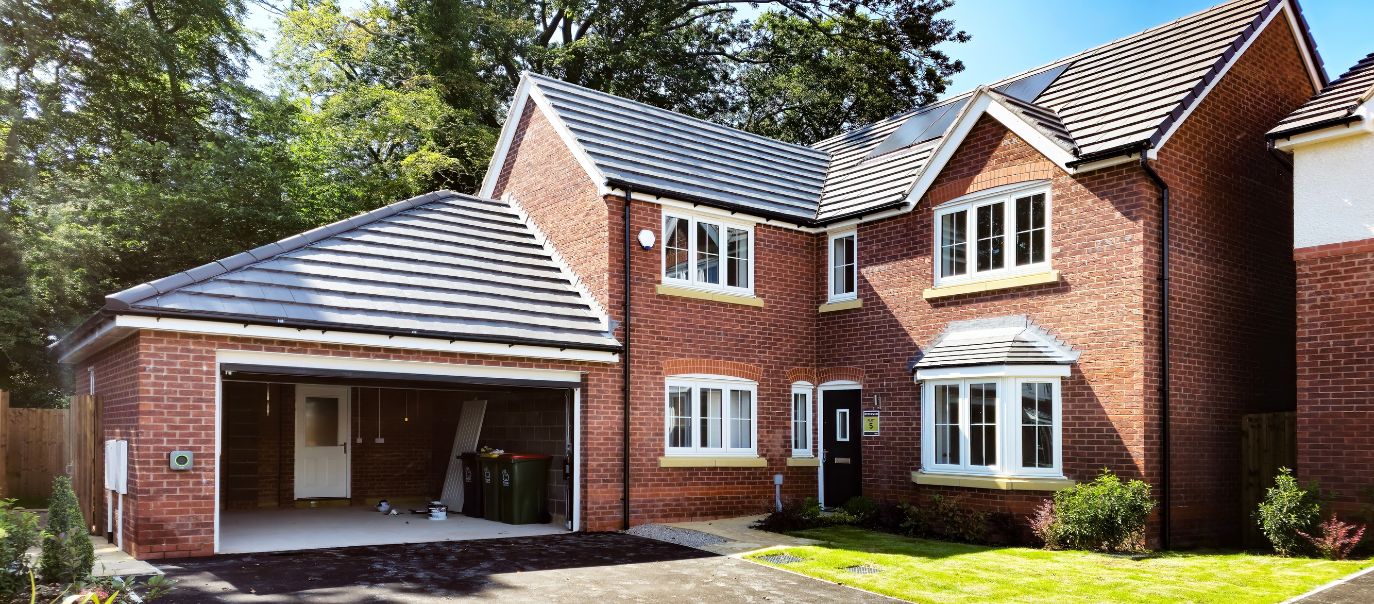
Finally, the roof of a house protects everything underneath it.

In driving, this is similar to the higher levels of the GDE matrix. A pupil’s thoughts, beliefs and values shape their driving behaviour, helping to protect them, their vehicle and other road users.

Takeaway

For example, a nervous pupil is likely to make mistakes like stalling, hesitation or a lack of progress.

An overconfident pupil, on the other hand, may take risks such as moving off without proper observation, emerging when they shouldn’t, or driving too fast for the conditions.

I always remember the phrase:

“To teach John to drive, first you must know everything about driving – but equally important, you must learn everything about John.”

In other words, understand what motivates your pupil and how they learn best. 👍

Was this article helpful?
YesNo