Introduction

Braking systems are one of the most critical safety features in any vehicle. For learner drivers, understanding how brakes work – and how to use them effectively – can make the difference between a safe stop and a collision.

Main Types of Braking Systems

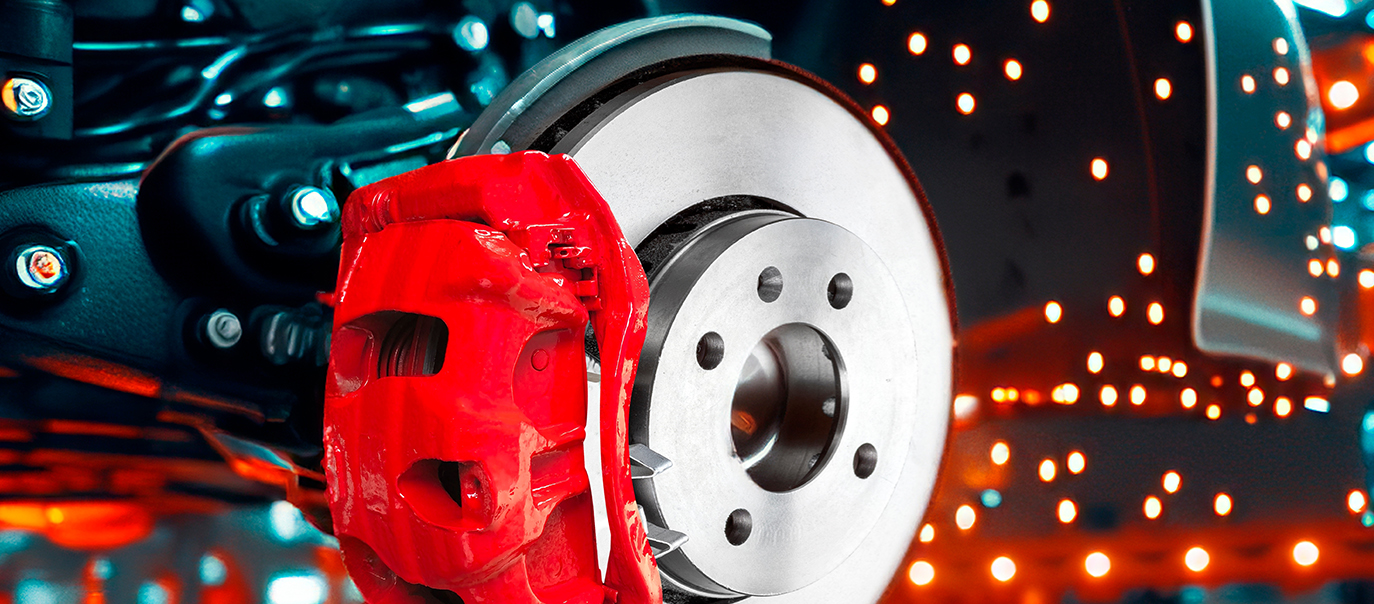
  1. Disc Brakes – Common on modern cars; offer strong stopping power and quick heat dissipation.
  2. Drum Brakes – Often found on rear wheels; less expensive but not as effective under heavy braking.
  3. Regenerative Brakes – Used in hybrid and electric vehicles; convert braking energy into stored battery power.
  4. ABS (Anti-lock Braking System) – Prevents wheel lock-up, helping drivers maintain steering control.

Key Components

  • Brake Pedal – The driver’s control point.
  • Brake Lines – Carry hydraulic fluid from the master cylinder.
  • Callipers & Pads/Shoes – Apply friction to slow the wheel.
  • Rotors/Drums – Surfaces against which friction is applied.

What Learners Should Know

  • How to apply progressive braking to avoid sudden stops
  • The importance of keeping brakes well-maintained
  • How ABS changes the feel of braking in an emergency stop
  • How regenerative braking affects deceleration in EVs

Practical Tips for ADIs

  • Demonstrate the difference between gentle braking and harsh braking.
  • Explain stopping distances and how they change in wet or icy conditions.
  • Encourage learners to recognise brake fade and other warning signs.

ADINJC Comment

“An understanding of braking systems is not just for mechanics – it’s part of being a safe, responsible driver. ADIs can make a real difference by teaching the ‘why’ behind braking as well as the ‘how’.”

Was this article helpful?
YesNo