Benefits of GDL
The current UK system uses provisional (learner) licences that come with both restrictions and freedoms.
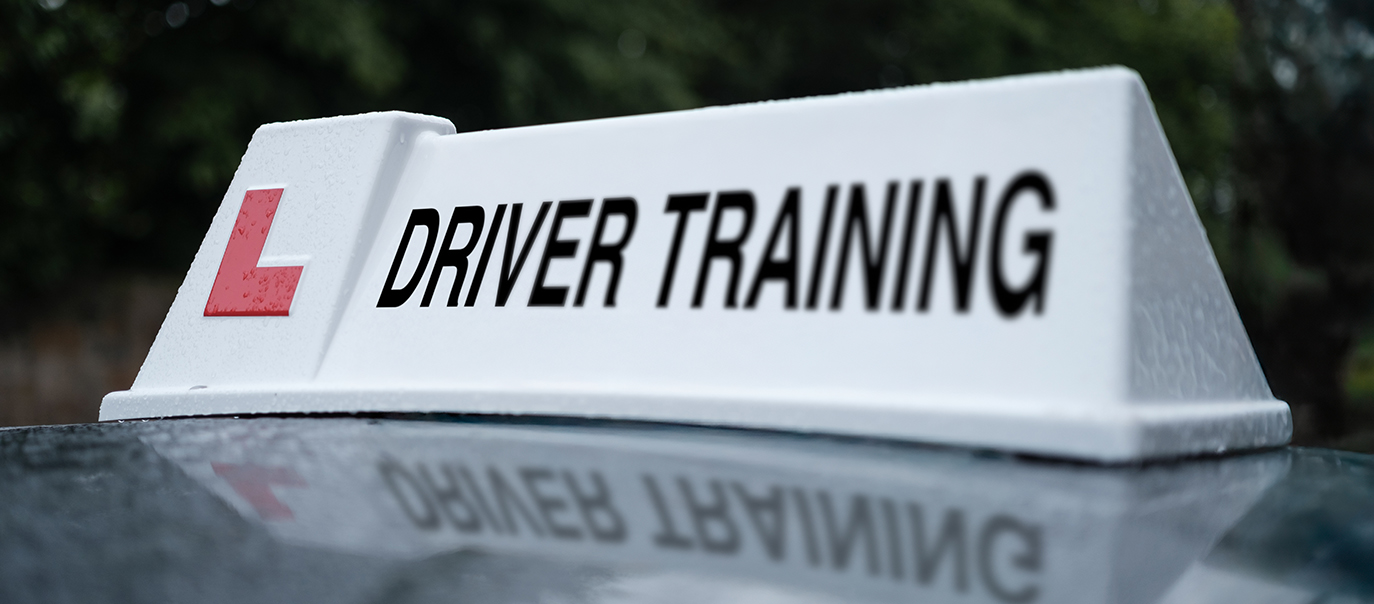
Restrictions include the minimum age of 17 and vehicle requirements that clearly indicate the vehicle is being driven by a learner. There must be a supervising driver aged over 21 with at least three years’ driving experience.
The rules that apply to supervising drivers also apply during supervision — for example, learners cannot be used as designated drivers to take someone to the pub.
Learners are only permitted to drive on motorways when accompanied by an approved driving instructor in a dual-controlled vehicle, and motorway driving is not tested during the practical test.
One of the freedoms within the current system is that there is no obligation to take lessons with a professional driving instructor. As long as a learner holds a valid provisional licence and has passed the theory test, they can book a practical driving test.
From 1 October, new requirements will include a minimum learning period, logbooks and a structured syllabus. However, none of these changes mandate the use of a professional driving instructor, nor do they require the test to be taken in a dual-controlled vehicle.
Provided the vehicle is legal and roadworthy and meets a few other requirements, it’s test ready.
Once these requirements are met — and the candidate has been resident in the UK for at least 185 days — they may take the test. On passing, they are subject to a two-year probationary period.
But what will happen on the 1st October 2026 in Northern Ireland?
According to the press release:
- A six-month night-time driving restriction will apply to drivers under the age of 24
- Age-related passenger restrictions will apply, except for family members, unless passengers meet the learner supervising driver criteria





Share This: