Garry Thomas, ADINJC Committee Member

Introduction

Around this time of year, many of us find our New Year’s resolutions starting to wobble. The good intentions were there in January and, when our calendars quieten down, it is easy to think this will be the year we get fitter. The year we join the gym. The year we finally “sort ourselves out”.

But somewhere along the way, things get in the way. The gym membership feels expensive. The machines look intimidating. The diary fills up again. We tell ourselves we do not have time. Slowly, the resolution fades into the background.

Is the Label Part of the Problem?

I wonder if part of the problem is the labelling.

When we label something as fitness, it can start to sound like hard work. It becomes something that requires special clothing, special places and large amounts of free time that many of us simply do not have.

As driving instructors, we spend long hours sitting, often moving from lesson to lesson with very little space in between. Adding a full workout routine on top can feel like just another demand on an already busy day.

But what if we removed the label altogether?

From Fitness to Movement

What if, instead of focusing on “fitness” or “exercise”, we simply focused on movement?

Movement doesn’t require a membership. It does not need a plan. It just needs to happen.

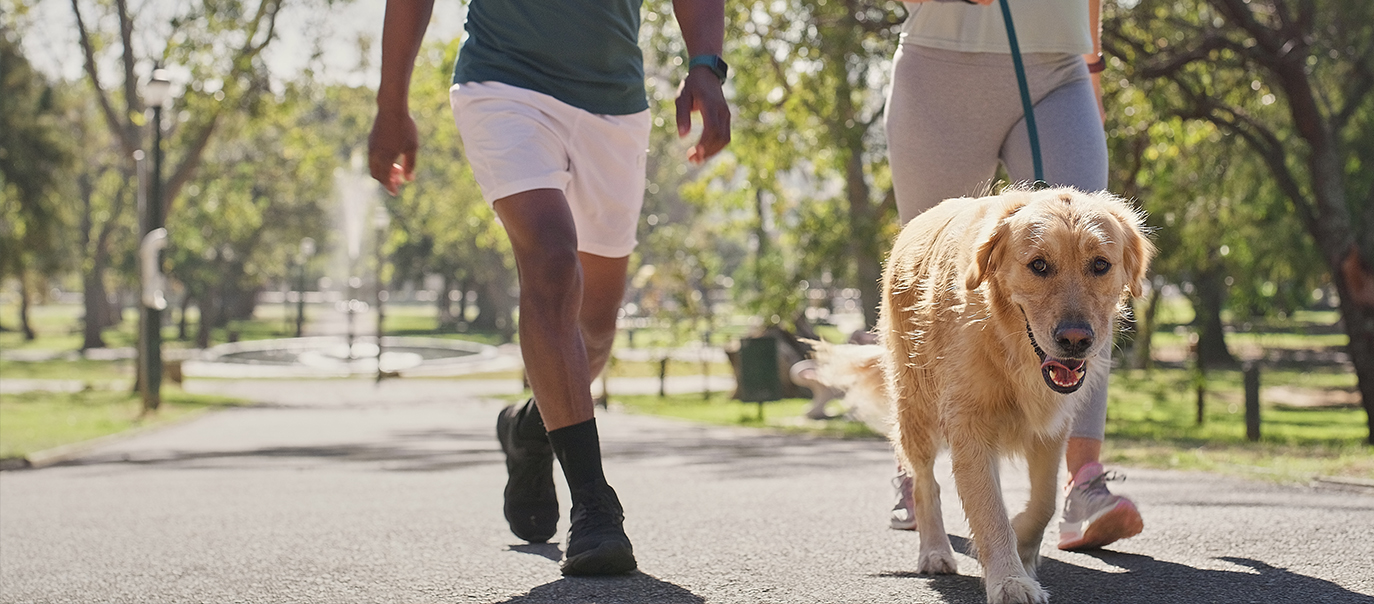
During the recent NJC Big Team Challenge pilot, this became very clear. Those involved were not suddenly running marathons or transforming into elite athletes overnight. Instead, they made small, manageable changes. Taking the dog for an extra walk. Walking to the shops instead of driving. Parking a little further away. Stretching between lessons.

On their own, these actions may not look particularly impressive but together, they make a real difference.

And reassuringly, none of it requires Lycra, unless that is your thing.

Why Walking Works

Walking as a form of exercise has seen something of a resurgence recently, and for good reason. Research continues to show that steady, consistent walking, especially when it includes gentle inclines, can deliver meaningful health and fitness benefits without placing excessive strain on the body.

In other words, you don’t need to exhaust yourself in a 20-minute frenzy to make progress. A longer, steadier walk often delivers more sustainable results and feels far more achievable in the gaps between lessons or at the end of a working day.

For those of us who spend much of our time seated, this is encouraging news.

Small Moments Make a Difference

A short walk between lessons can reset both body and mind. A few minutes of stretching can ease the stiffness that builds up after hours behind the wheel.

These small moments of movement are not dramatic, but they are powerful. More importantly, they are sustainable. We can even incorporate them into lessons, encouraging learners to think about their own wellbeing and daily habits.

No Time Like the Present

The Big Team Challenge pilot showed that wellbeing doesn’t need to be complicated. We are hoping to roll the initiative out more widely in the near future so that more instructors can benefit.

But you don’t need to wait for a formal challenge to begin. Sometimes it’s as simple as taking the longer route home. Parking a little further away. Or adding one extra walk into your week.

No labels. No pressure. No memberships. Just movement.

Garry Thomas, ADINJC Committee Member

Was this article helpful?
YesNo