Introduction

Modern cars are often supplied without a spare wheel, using a tyre inflation kit instead. For driving instructors, the question is: should you carry a spare anyway? Let’s weigh up the safety, convenience, and training benefits.

Pros and Cons

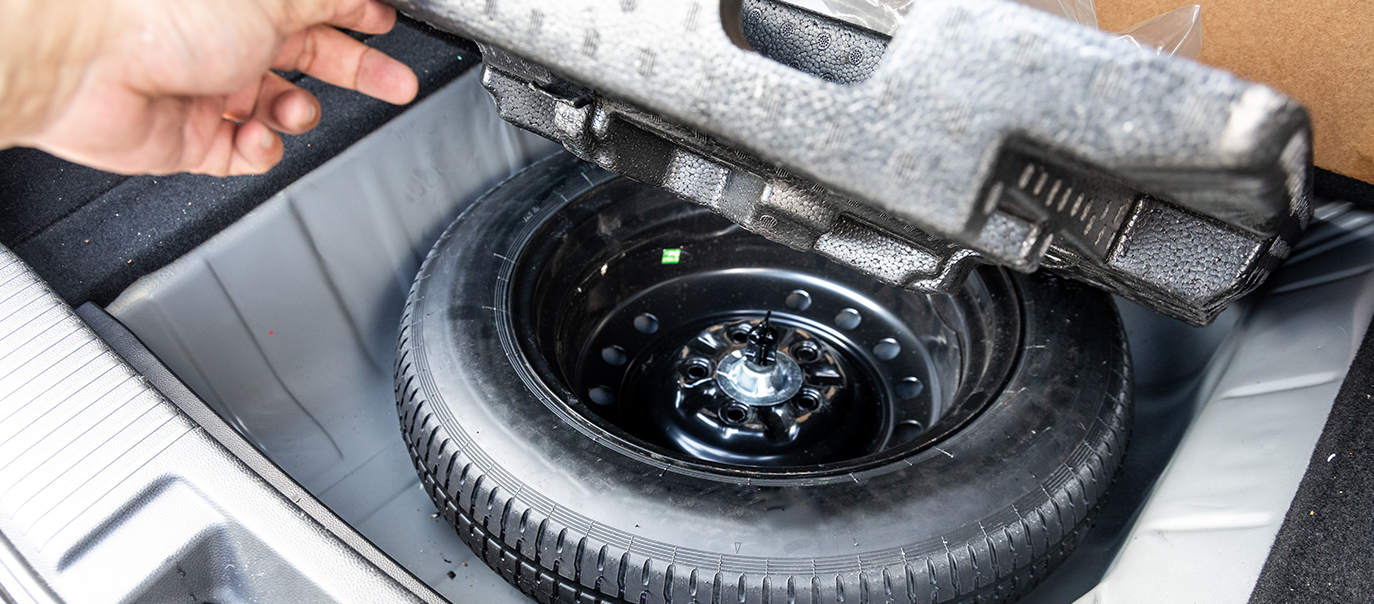
Spare Tyre

✅ Safer for longer distances or rural routes
✅ Enables faster self-rescue from punctures
❌ Heavier and takes up boot space
❌ May need regular pressure checks

Inflation Kit

✅ Compact and light
✅ Sufficient for minor punctures
❌ Doesn’t work on blowouts or large damage
❌ Can be messy and difficult for learners to use

Recommendation for ADIs

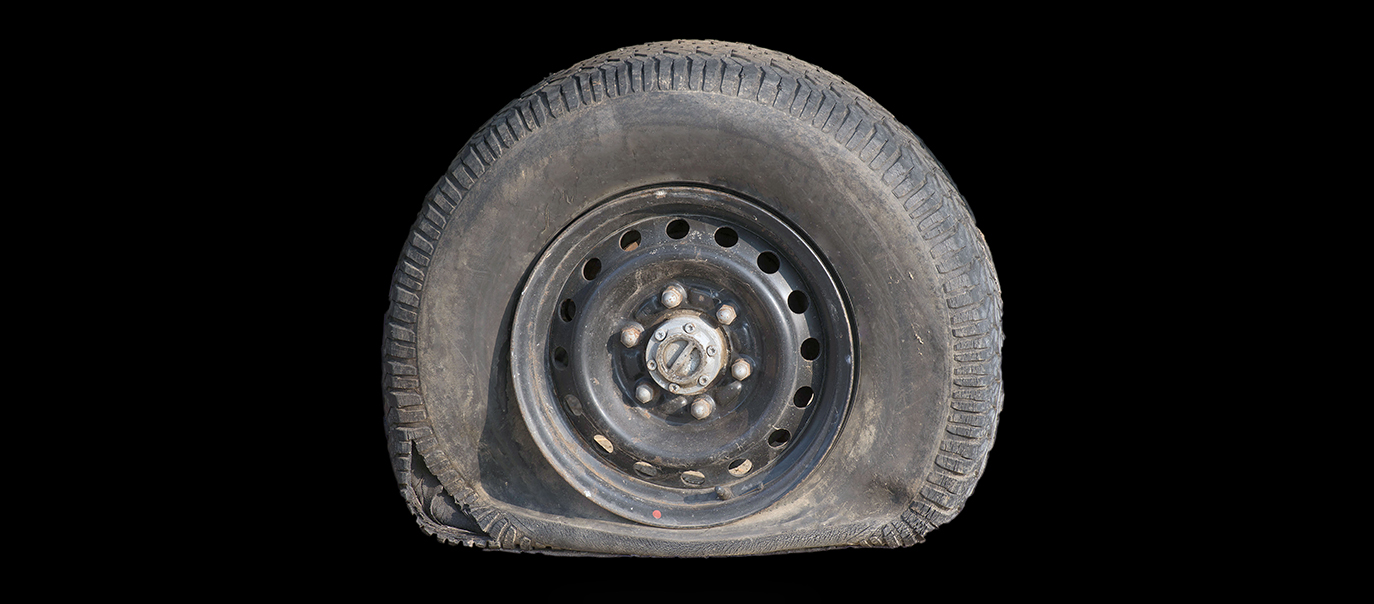
While many newer cars come without a spare, carrying one can be a wise precaution for instructors. As an instructor a very common tyre problem is damage to the side wall as your pupil kerbs your car. An inflation system will be no good for dealing with a tear to the side wall.

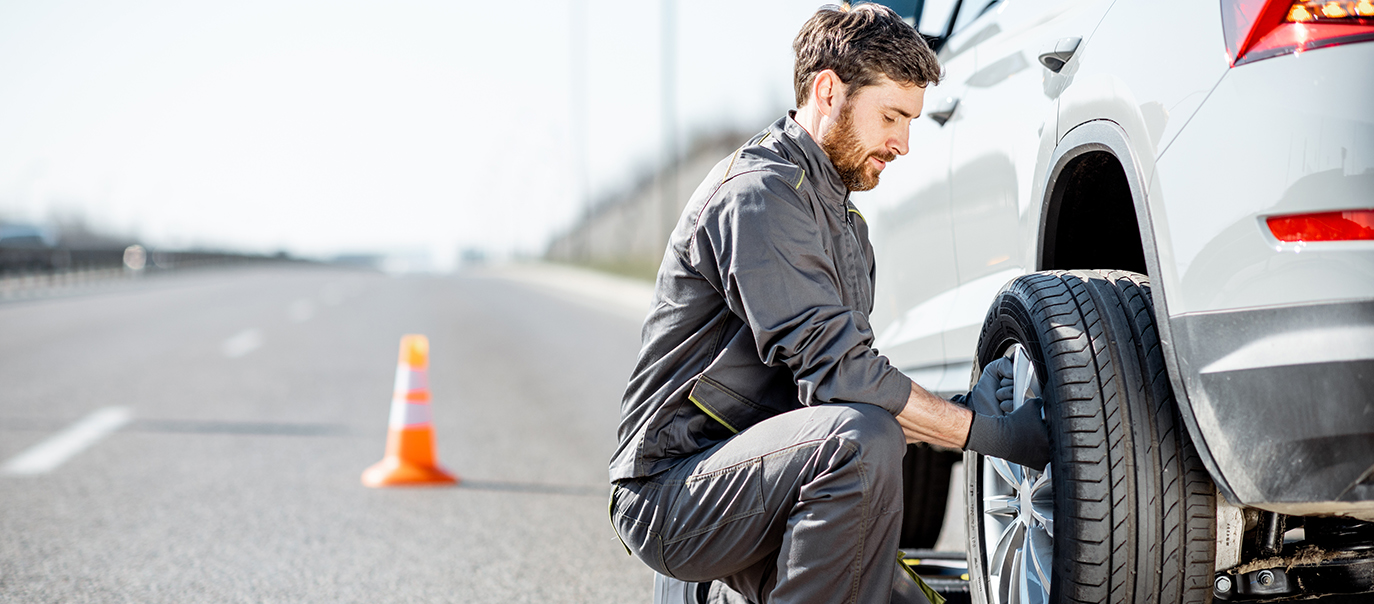
Carrying a spare also offers a chance to teach:

  • Wheel changing procedure
  • Emergency preparedness
  • What to do if stranded

Teaching Tip

Use a session to walk through what’s in the boot: show learners how to use sealant kits, check tyre pressure, or lift a spare safely. Include this in a broader vehicle safety checklist.

ADINJC Comment

“Whether you carry a spare tyre or not, preparing learners for tyre emergencies is part of responsible instruction. ADIs have a chance to teach resilience, confidence, and safe response in the face of vehicle issues.”

Was this article helpful?
YesNo