Using Virtual Reality Responsibly for Road Safety

February 20th, 2026

Charli Howe, ADINJC General Council

Introduction
The ICE Live 2026 session opened with Dr Elizabeth Box… and what an opening it was.
In case you are wondering, ICE stands for Immersive Community Education, which is another way of saying virtual reality, or VR as we’ll refer to it from now on.
Her presentation offered a thoughtful, evidence-led exploration of VR:
- What it promises
- What the evidence actually tells us
- How we can use it responsibly in the context of road safety
Rather than positioning VR as a silver bullet, the session challenged us to think critically about how and why we use immersive technology, and how it can genuinely support safer outcomes on our roads.
Why VR Is So Popular and Why That Matters
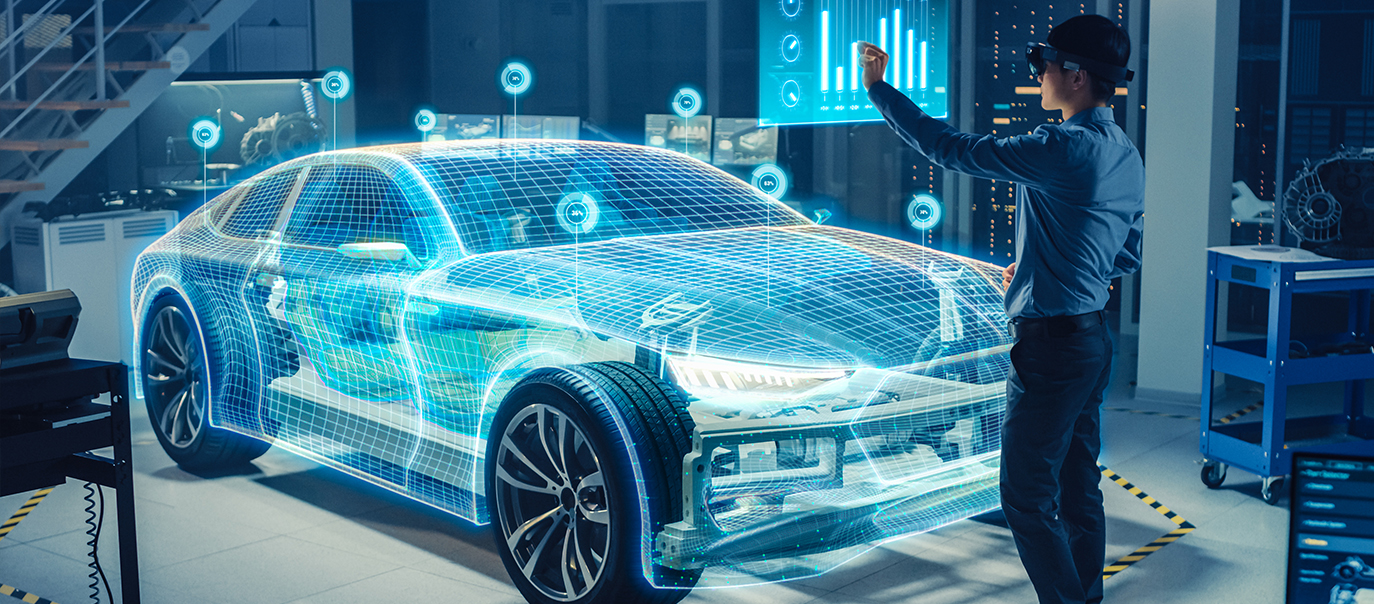
VR is often described in three powerful ways: immersive, innovative and emotionally powerful.
These qualities explain its rapid uptake in learning and safety contexts.
When done well, VR captures attention, feels realistic and can create memorable experiences. However, as the session highlighted, powerful experiences can also have powerful unintended effects. In some cases, VR can be:
- Overwhelming, where sensory load can crowd out perception and learning
- Distressing, as experiences can feel too real, particularly when users don’t fully process them as simulations
- Fatalistic, reinforcing the idea that crashes or harm are inevitable, which is unhelpful for behavioural change
- Confusing in terms of realism, leaving people feeling they’ve experienced something “real” without clarity on what to do differently
A key reminder from the session: engagement is not the same as effectiveness.

What the Evidence Really Says About VR
Research shows that VR is strong at driving engagement, attention and recall. Learners are often highly focused, and the experience stays with them.
However, when it comes to behaviour change, the evidence is mixed. One of the main challenges is cognitive overload. When emotional intensity and information compete, learning can suffer.
Studies consistently show that VR works best when it is:
- Embedded within a wider learning programme
- Supported by reflection and facilitation
- Treated as part of an intervention, not the intervention
In other words, VR is most effective when it is designed as part of a learning system rather than a standalone experience.

When VR Works Best
Evidence suggests that VR is particularly effective when it supports learning through experience, such as:
- Skill rehearsal
- Hazard perception, with low-risk consequences
- Perspective-taking, used carefully to build empathy and awareness without causing unnecessary distress
Strong outcomes are more likely when learners receive some pre-training, get immediate feedback, and when VR sessions are used consistently rather than as a one-off novelty.
Importantly, VR works best for “how to act”, not “what to believe”. It does not replace reinforcement, moral messaging or broader behaviour-change strategies, but it can meaningfully support them.
As one of the key takeaways made clear:
- VR isn’t ineffective… it’s just not sufficient on its own.

The Right Questions to Ask Before Commissioning VR
To avoid VR becoming a costly novelty, the session emphasised the importance of asking the right questions upfront:
- What problem are we trying to solve?
- What behaviour or skill needs to change?
- How will VR sit alongside other activities or interventions?
- What happens when the headset comes off?
- How will we know if it worked?
These questions help ensure VR is used deliberately, ethically and proportionately.

Supporting Evidence-Led VR Design
This is where tools like Co-Pilot can play an important role.
Co-Pilot supports evidence-led VR design and evaluation, helping organisations make informed decisions rather than starting from scratch. Its research library brings together existing evidence, saving time and supporting more robust programme design.
Similarly, the Vision Zero Toolbox focuses on both design and evaluation, helping practitioners assess where VR may add value and where it may not. This balanced approach supports safer, more effective interventions aligned with long-term road safety goals.
Challenge pieces also play a vital role. By questioning assumptions and emotional responses, they help keep decision-making evidence-led rather than emotion-led. This reinforces the need for thoughtful design, rigorous evaluation and continued development.

Key Takeaways
- VR is powerful when used deliberately
- Design and content matter more than novelty
- Evidence and evaluation protect impact
- VR works best as part of a broader learning system
Ultimately, this session wasn’t about being for or against VR. It was about staying on track using immersive technology ethically, proportionately and responsibly, in support of the shared road safety outcomes we are all working towards.
When guided by evidence and thoughtful planning, VR can be a valuable tool. Not the whole solution, but a meaningful part of it.


Categories
Recent Posts
Get In Touch
Create a free acccount or login
To continue reading this information, you need a free account that can be created in under a minute. Join today or login
Like to be kept informed?
Our free Lite membership delivers newsflashes and weekly roundups directly to your inbox, so you never miss a beat. Or become a Premium member to enjoy the wide-ranging support & benefits we offer.
Report
There was a problem reporting this post.
Block Member?
Please confirm you want to block this member.
You will no longer be able to:
- See blocked member's posts
- Mention this member in posts
Please allow a few minutes for this process to complete.
One response to “Using Virtual Reality Responsibly for Road Safety”
dapoxetine hydrochloride 30 mg
dapoxetine hydrochloride 30 mg