ICE Live 2026: 5 in 5 Presentation

February 26th, 2026

Charli Howe, ADINJC General Council

Introduction
One of the most engaging and forward-thinking sessions of ICE Live 2026 was 5 in 5: New Young Driver VR, presented by Kate Garrigan and Matthew Hyland.
Their presentation took us behind the scenes of a new virtual reality (VR) film designed specifically for young drivers and, more importantly, behind the thinking that shaped it.
The result is 5 in 5: a five-minute VR experience focusing on the five highest-risk behaviours for newly qualified drivers. It is short, deliberate, and grounded in behavioural science rather than shock value.
Designing Immersion with Purpose
The experience begins not with a headset alone, but with a physical setup: a simple van fitted with a few seats, mounted on a movable platform.
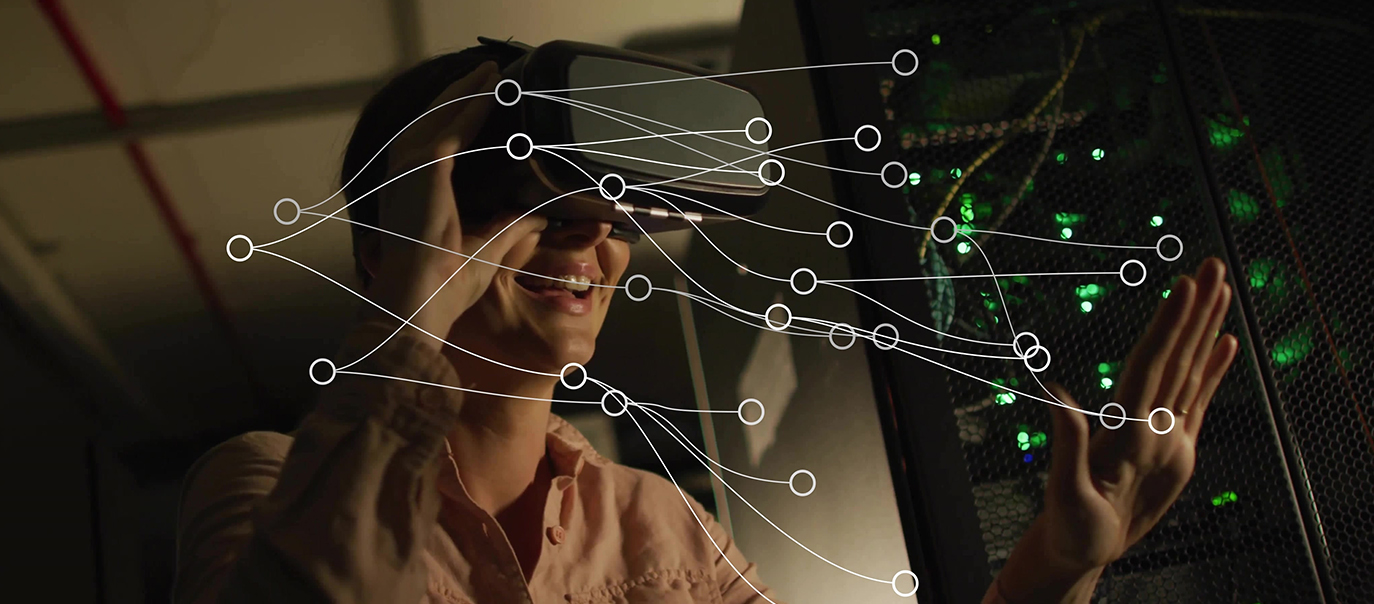
Participants wear VR headsets while the seats subtly move in sync with the film, adding a physical layer of immersion without overwhelming the senses.
This design choice is intentional.
Early VR crash films were often too realistic. While technically impressive, they sometimes produced unintended consequences.
Some viewers reported increased adrenaline-seeking behaviour, while others experienced distress or trauma.
In some cases, these shock tactics did more harm than good.
Research from behavioural scientists and safety experts, including work referenced by figures such as Elizabeth Box, shows that fear-based approaches can backfire, particularly with young people. Effective road safety education should support health, wellbeing and community liveability.

Moving Away From Shock, Towards Empathy
The 5 in 5 project reflects a clear shift in philosophy.
Instead of graphic crashes and catastrophic outcomes, it uses:
- Humour
- Relatable scenarios
- Role modelling
- Empathy
These elements are far more effective at engaging young drivers without triggering defensive or risk-compensating responses.
The core idea is simple: focus on fewer risks, communicate them clearly, and make them memorable.

Five Risks. Five Minutes. One Clear Message.
Rather than overwhelming viewers with information, 5 in 5 focuses on the five top contributing risk behaviours for young drivers each illustrated through a short, highly relatable scenario.

1. Distraction
The presence of same-age passengers is one of the strongest predictors of crash risk for newly qualified drivers.
Studies consistently show that carrying peer-aged passengers increases the likelihood of risky driving, distraction, and fatal collisions.
The VR clip reflects this reality perfectly: a car full of young adults, no seatbelts, loud music, fast food wrappers everywhere and escalating chaos.
In under 30 seconds, it captures a situation most young drivers instantly recognise, making the message land without needing explanation.

2. Fatigue
Crash risk increases significantly at night, particularly for young drivers.
Sleep deprivation slows reaction time, reduces vigilance and impairs decision-making. Young male drivers are disproportionately involved in fatigue-related collisions.
The fatigue scenario uses light-hearted humour on the surface, but the underlying message is serious.
The contrast makes it memorable and reinforces the risk without lecturing.

3. Seatbelts
In 2022, four unbelted young people were killed or seriously injured every week.
Young men are especially likely to wear seatbelts inconsistently, particularly on short or familiar journeys.
This clip uses crash dummies and humour to illustrate the force of impact, linked to being hit by a charging rhino.
It’s playful in tone, but the physics are real and the impact is hard to forget.

4. Speeding
Speeding remains a major contributor to young driver fatalities. Inexperience makes it harder to judge safe speeds, especially on bends and at junctions.
Excess speed increases both stopping distance and crash severity, and many young driver crashes involve loss of control.
For me, this was probably the most impactful scenario.
Seeing a passenger being thrown around the back seat, desperately holding on, and finally asking, “Can you watch your speed a bit please?” captures a moment most people have lived through, but rarely talk about.

5. Mobile Phones
Young drivers are more likely to use mobile phones while driving.
Texting or phone use increases crash risk by at least four times, impairing lane control, reaction time, and situational awareness.
One of the strongest messages here is practical and immediate. If a driver accumulates six penalty points within their first two years, they lose their licence.
It’s a consequence many young drivers underestimate, until it’s spelled out clearly.

Passion Behind the Camera
Kate and Matthew also shared a behind-the-scenes video from the two-day shoot, offering insight into the process of filming the mini scenarios.
What came through strongly was the team’s passion, creativity, and genuine care for getting this right.
The actors, crew, and creators weren’t just producing content, they were thinking deeply about how young people experience risk, pressure, and decision-making behind the wheel.

Evaluation From the Start
A recurring theme across the ICE Live webinar was evaluation.
5 in 5 was no exception. Kate and Matthew confirmed that Ian Edwards MSc has been commissioned to carry out a full evaluation of the intervention.
This evaluation will measure:
- Participant reaction
- Learning and understanding
- Willingness to change behaviour
By embedding evaluation from the outset, the team is ensuring that 5 in 5 isn’t just engaging, but effective.

Thoughts
5 in 5 represents a mature evolution in young driver education.
It recognises that realism doesn’t need to mean trauma and that brevity, empathy, and relatability can be more powerful than shock.
In a space where well-intentioned interventions have sometimes missed the mark, This feels like a thoughtful, evidence-informed step in the right direction. It has real potential to influence how young drivers understand risk during the most dangerous years of their driving lives.

Wrap-Around Education
Virtual Reality has an incredible ability to immerse us. It can place us in situations we may never otherwise experience, evoke strong emotional responses, and make risks feel real.
But as Dr Jonathan Rolison explained during the closing session of the ICE Live webinar, VR on its own is not learning. Without the right educational framework around it, VR risks becoming little more than shock, novelty, or entertainment.
This is where wrap-around education comes in.
Wrap-around education transforms a VR experience into a meaningful learning intervention. It ensures that what the learner feels and sees is translated into understanding, safer decision-making, and real-world behavioural change.

The Risk of ‘Headset-Only’ Learning
When VR experiences are delivered without preparation or follow-up, learners often take away the wrong messages.
Research into experiential and emotional learning shows that strong emotions can either deepen learning or completely derail it, depending on how they are guided.
Without wrap-around education, learners may:
Focus on the wrong moments
They may remember the most dramatic or shocking scene rather than the key learning objective.
Leave with false confidence
For example, believing “I’d handle that better” instead of recognising how quickly situations escalate.
Blame individuals instead of systems
Learners might judge the characters’ behaviour rather than understanding environmental, social, or systemic risks.
Remember the shock, not the lesson
Shock can trigger a coping response where the brain distances itself from the content rather than engaging with it.
In short, VR without facilitation can feel powerful but still fail to change behaviour.
Charli Howe, ADINJC General Council

Categories
Recent Posts
Get In Touch
Create a free acccount or login
To continue reading this information, you need a free account that can be created in under a minute. Join today or login
Like to be kept informed?
Our free Lite membership delivers newsflashes and weekly roundups directly to your inbox, so you never miss a beat. Or become a Premium member to enjoy the wide-ranging support & benefits we offer.
Report
There was a problem reporting this post.
Block Member?
Please confirm you want to block this member.
You will no longer be able to:
- See blocked member's posts
- Mention this member in posts
Please allow a few minutes for this process to complete.
Share This: