Liam Greaney, ADINJC General Council

Introduction

The British Horse Society (BHS) are marking ten years of their Dead Slow campaign – a long-term initiative that seeks to reduce the number of accidents and fatalities involving horse riders on UK roads through educating road users how to correctly pass horses.

Since the campaign’s launch in 2016, the BHS has pushed for greater public awareness when passing horse riders and their key messaging and advice has been incorporated into the 2022 Highway Code.

If you’d like to find out more about the British Horse Society and their Dead Slow campaign, click here to visit their website.

How Can We Help

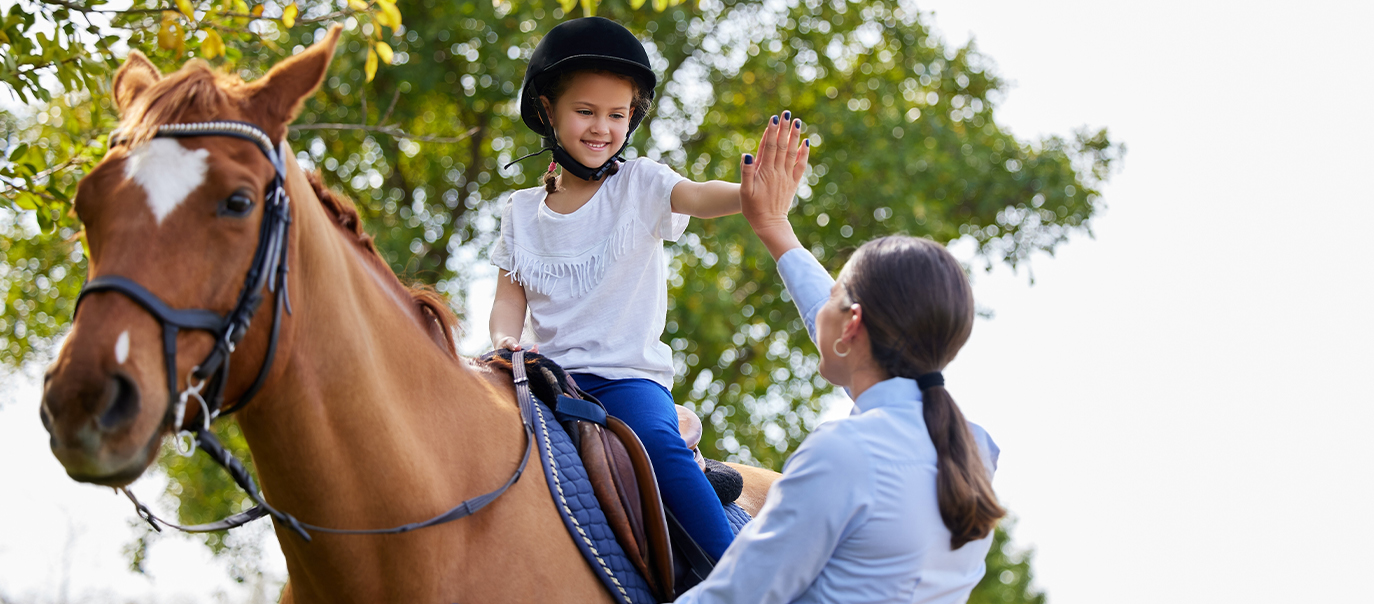
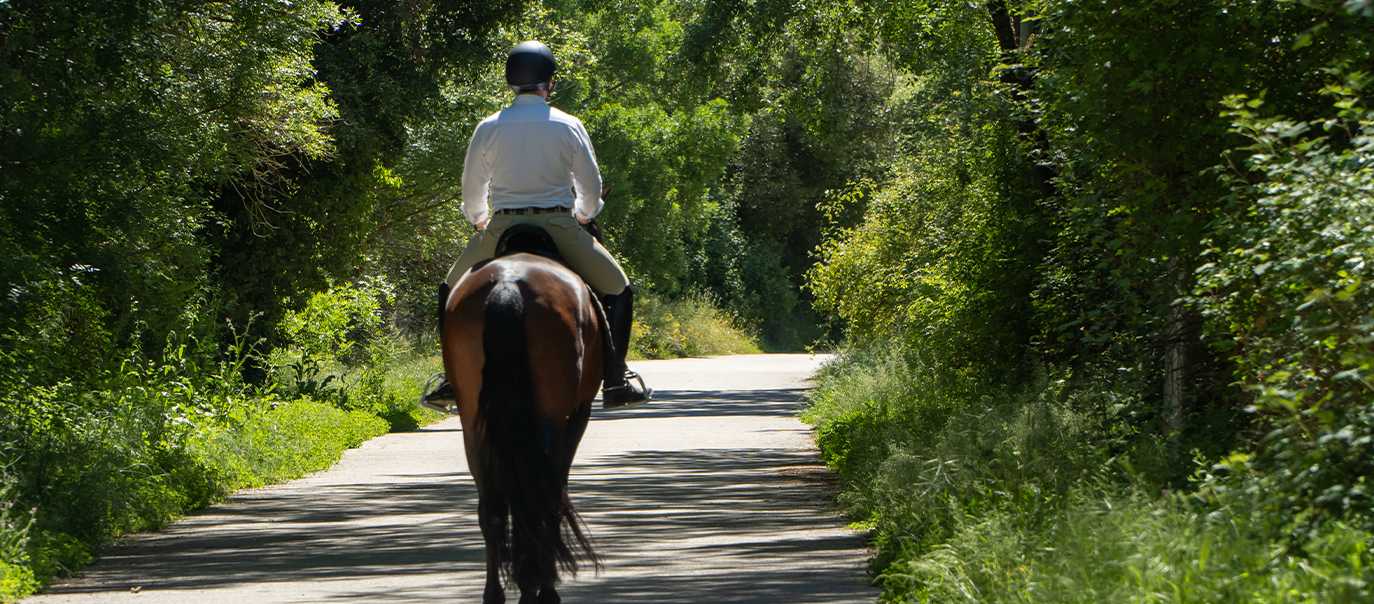
These beautiful animals have a right to use the road. They will often be ridden by children and deserve our respect and consideration.

Changes in the driving test mean more country roads and greater chances of our learners coming across horse riders on the test.

We should be doing what we can to make sure that our pupils have the knowledge and skills to deal with them properly.

Dealing With Horses On The Road

We need to make sure that people understand that horses have a legal obligation to use the road and not an adjacent footpath.

The Highway Code makes this very clear.

Highway Code Rule 54

You MUST NOT take a horse onto a footpath or pavement, and you should not take a horse onto a cycle track. Use a bridleway where possible. Equestrian crossings may be provided for horse riders to cross the road and you should use these where available (see Rule 27). You should dismount at level crossings where a ‘horse rider dismount’ sign is displayed.
Laws HA 1835 sect 72 & R(S)A sect 129(5)

Source: GOV.UK 

To make this absolutely clear, you cannot expect a horse rider to use a footpath or pavement to get out of the way of a motorist!

When you see a horse on the road take care.

Highway Code Rules 214 and 215 make this abundantly clear.

To pass a horse, you should:

  • Slow down to a maximum of 10 mph
  • Be patient, don’t sound your horn or rev your engine
  • Give them plenty of space – at least two metres
  • Drive slowly

For more advice on passing horses on the road, the British Horse Society have published an in-depth article which can be viewed here.

Remember Three Brains

It’s important to remember that there are three brains at work when passing a horse on the road.

The Horse’s Brain

Horses share a common evolutionary instinct to flee from potential threats.

As a result, they can be easily frightened which can lead to them bolting.

This could be due to loud unexpected noises that may have nothing to do with a motorist.

Even the most well-trained horses are still prone to bolting when scared. Some of you may remember several military horses bolting in London a few years ago (Source: BBC News)

The Rider’s Brain

The rider’s brain could be that of a child or rider who is nervous or intimidated by inconsiderate or aggressive driving.

The Driver’s Brain

As always this should be one of care and consideration for vulnerable road users.

It would be prudent for drivers to remember that they could be legally liable and there are an awful lot of dash cams out there.

ADINJC Comment

“We fully support the British Horse Society and the excellent work that they do. All vulnerable road users deserve respect and consideration and we as driving instructors have a role to play in that.

The changes to the driving test and the greater use of country roads mean that our students are more likely to have interactions with horse riders.

We have a part to play in that and with the ongoing general education of the driving public.”

Liam Greaney
ADINJC General Council

Was this article helpful?
YesNo